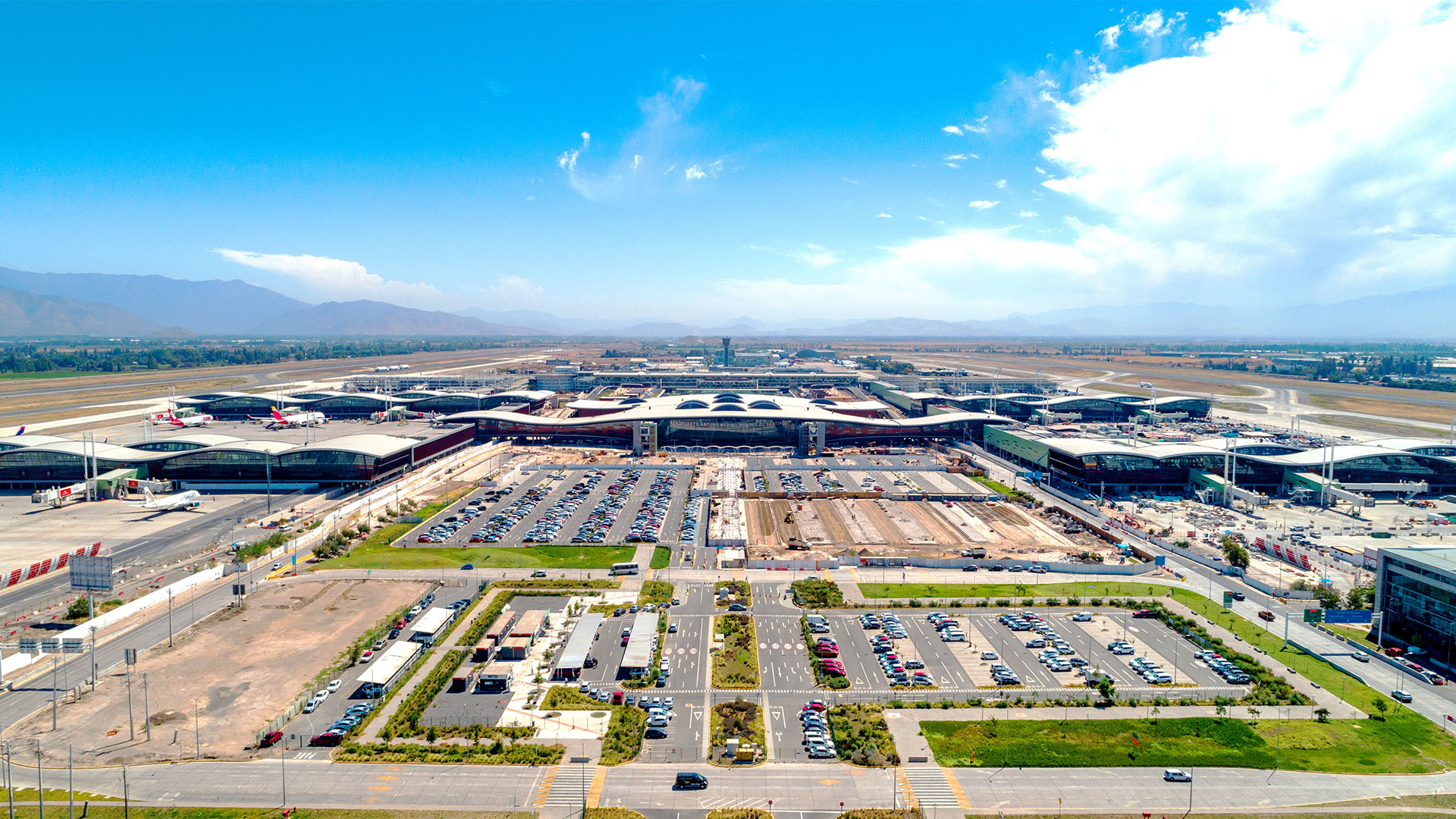
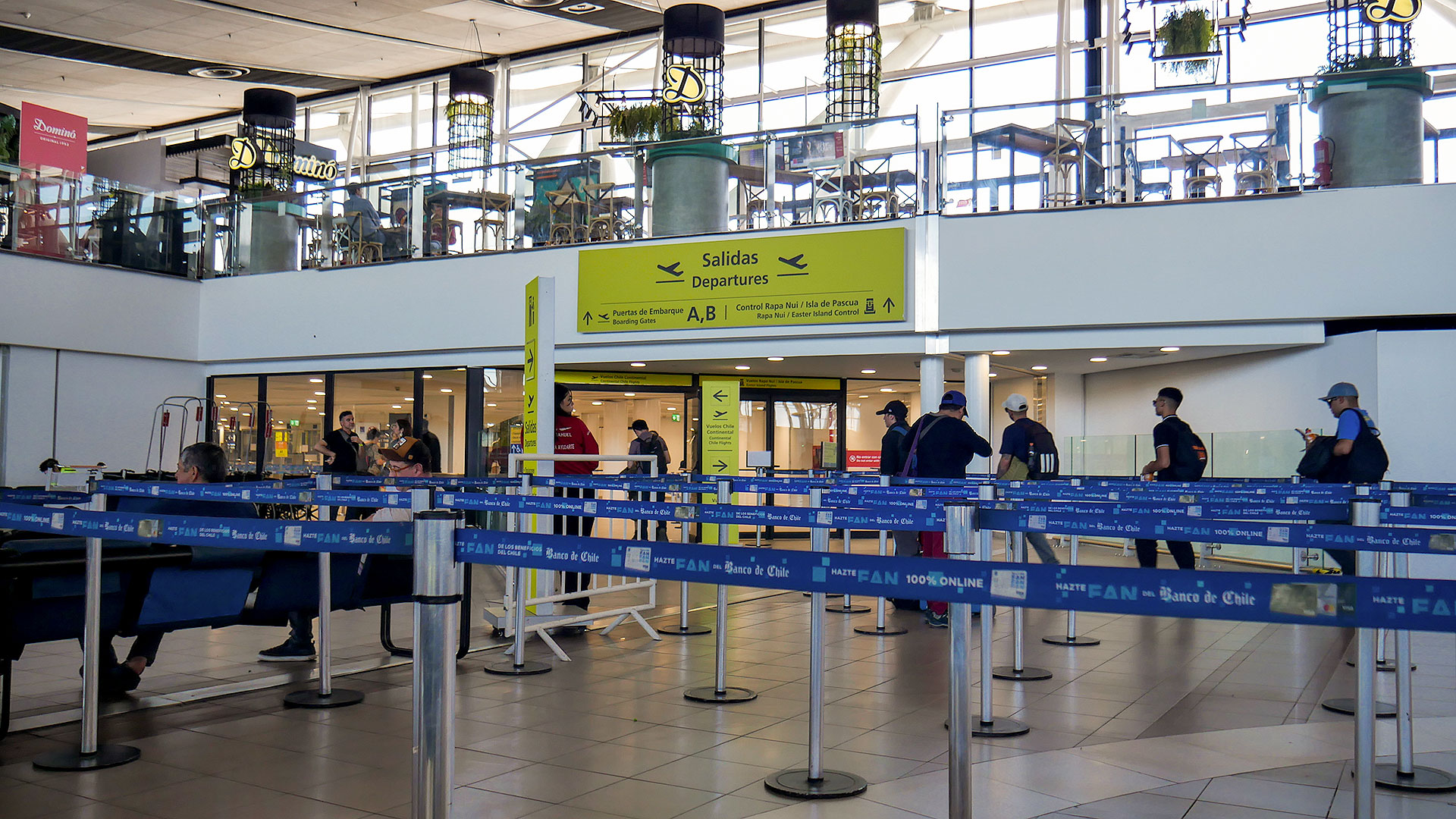

Since 2021, Aeropuerto Santiago de Chile has developed an Integrated Quality Management System with ISO 9001 standard, to provide a framework to meet quality objectives, monitor and measure the performance of its processes and promote continuous improvement in the airport concession.
The scope of the Integrated Management System applies to the concession processes, in the areas of operations, maintenance and services carried out in the airport facilities.
Advance in the certification of the Integrated Management System, meeting the performance evaluation and continuous improvement requirements under ISO standard.
Execute established annual programmes, including audits, training, communications, process and risk reviews, among others.
Analysis of customer satisfaction indicators, coordinating actions to improve service performance and quality.

Since 2021, Aeropuerto Santiago de Chile has developed an Integrated Environmental Management System with ISO 14001 standard, to provide a framework to protect the environment, mitigate environmental impacts, comply with legislation and promote continuous environmental improvement in the airport concession.
Continuously maintain and improve the environmental management system, ensuring operational planning and control, review of aspects and impacts, audits, process updates and legal compliance through a regulatory matrix on a web platform.
Develop and execute annual environmental programmes, including environmental emergency management with drills, to strengthen environmental performance and minimise risks.
Since 2021, Aeropuerto Santiago de Chile has developed an Integrated Occupational Health, Safety and Operation Management System (SSTO) with ISO 45001 standard.
This system seeks to manage, control and coordinate compliance with the safety standards applied in the airport concession, guaranteeing a safe and efficient working environment for workers and users of the concession.
Strengthen occupational safety and health, maintaining occupational disease prevention programmes, updated risk matrices, process standardisation and continuous training to improve working conditions.
Ensure regulatory compliance and effective emergency management through audits, corrective actions and the implementation of emergency plans for timely response and safe evacuation of facilities.